
CNC Routing in Dubai
CNC routing for acrylic and other suitable sheet materials used in signage, displays, cut-outs, panels and custom fabrication.
- CAD and vector production
- Profiles, pockets & cut-outs
- Acrylic, wood and suitable sheets
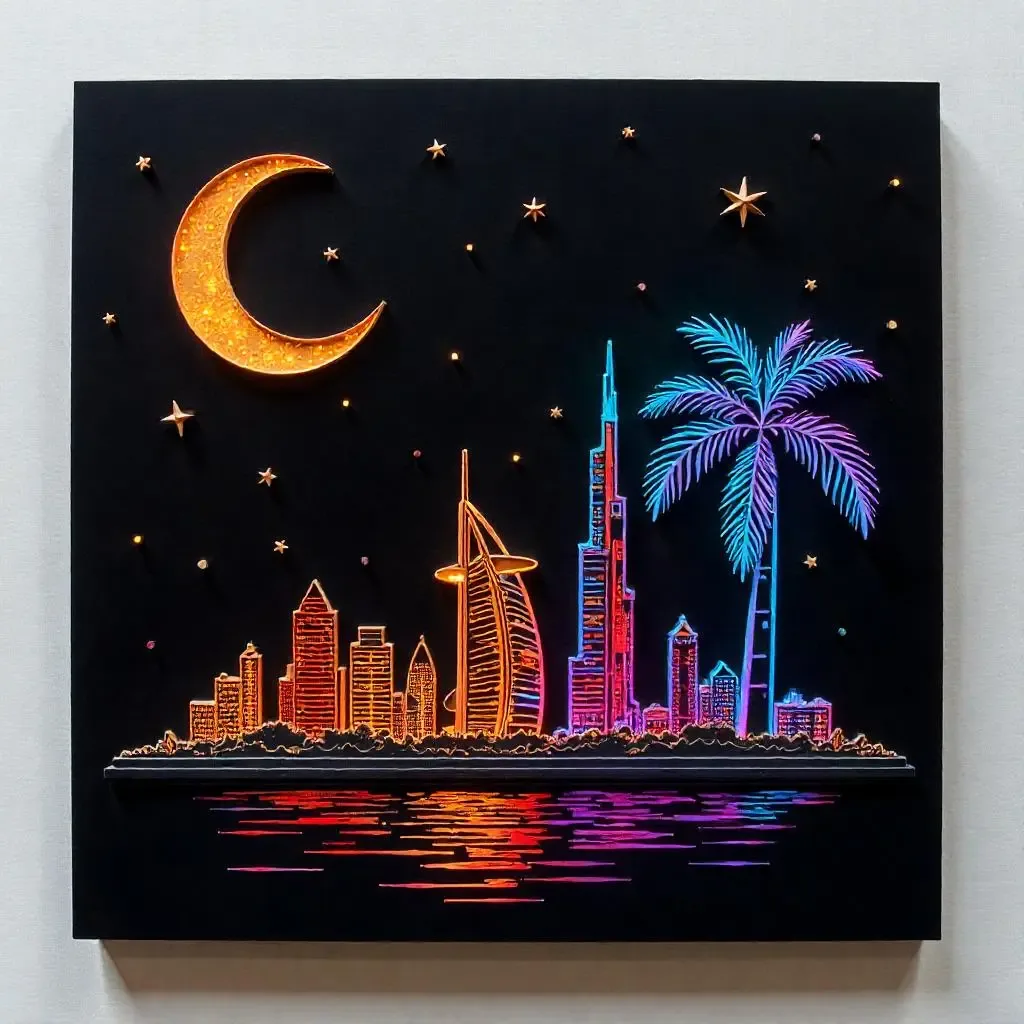
CNC-routed panels and components
CNC routing for acrylic and other suitable sheet materials used in signage, displays, cut-outs, panels and custom fabrication.
A good result starts with the way the item will actually be used. File scale, material, thickness, cutter access, tolerance, internal corners and finish should be defined before machining.
Provide CAD or vector files, final dimensions, material and thickness, cut or pocket depths, quantity and edge-finish requirements. That gives the team enough information to assess tool paths, minimum radii, holding points, tolerances, sheet yield and any secondary operations without guessing.
What to include in your enquiry
- CAD or vector production file
- Final dimensions and scale
- Material type and thickness
- Cut, pocket and engraving depths
- Critical tolerances and fit points
- Quantity and edge finish
- Packing and delivery date
What we can route and machine
This service includes custom acrylic shapes, signage panels, and cut-outs. Most projects come from signage, retail displays, and interior components, although the construction changes with each application.
Product types
- custom acrylic shapes
- signage panels
- cut-outs
- display components
- routing details
- engraved or pocketed features
- templates and fabricated panels
Where it is used
- signage
- retail displays
- interior components
- custom fabrication
- wood or PVC work where applicable
- branding installations
How CNC-routing work is planned
Common workshop steps include computer-controlled routing, profile cutting, and engraving and pocketing where suitable. Some projects use only one or two; others need several to work together.
- computer-controlled routing
- profile cutting
- engraving and pocketing where suitable
- drilling and cut-outs
- edge finishing
- drawing-based production
Material and sizing decisions
Router bits leave a radius in internal corners, and different materials require different speeds and tooling. Critical fits, slots and pockets should therefore include tolerances on the drawing.
Separate approximate dimensions from the measurements that cannot change. This is especially important for tool paths, minimum radii, holding points, tolerances, sheet yield and any secondary operations.
Finish and secondary work
Routed parts may need sanding, polishing, engraving, drilling, paint, laminate or assembly. Mark each finish by face and edge so the workshop can plan the sequence correctly.
From CAD file to routed component
The team first checks tool paths, minimum radii, holding points, tolerances, sheet yield and any secondary operations. Once those points are clear, the material, finish and production route can be agreed without building assumptions into the quotation.
Share
Send CAD or vector files, final dimensions, material and thickness, cut or pocket depths, quantity and edge-finish requirements.
Review
The team checks tool paths, minimum radii, holding points, tolerances, sheet yield and any secondary operations.
Confirm
Before work starts, the team confirms the drawing and commercial scope, including file preparation, material, tooling, machining time, quantity and post-routing finishing. Price and the expected handover date are recorded with the approval.
Fabricate
Production follows the approved drawing. Before handover, the finished work is checked against tool paths, minimum radii, holding points, tolerances, sheet yield and any secondary operations.
Timing and delivery
Production timing depends on file preparation, material, tooling, machining time, quantity and post-routing finishing. A workable date is confirmed after the drawing and scope are approved.
For delivery, state whether parts must be labelled, nested in sets, packed separately or supplied ready for assembly. This avoids last-minute problems after the item is finished.
Frequently asked questions
When is CNC routing preferred over laser cutting?
The choice depends on material, thickness, edge requirement, detail and the type of cut. Send the drawing and material requirement for review.
Can CNC routing be used for materials other than acrylic?
The existing service includes acrylic and suitable materials such as wood or PVC where applicable. Confirm the exact material in the enquiry.
Can you route from CAD artwork?
Drawing-based production is suitable for CNC work. Send the available CAD/vector file and dimensions for checking.
Other services that may connect to your project
Acrylic Laser Cutting & Engraving
Acrylic laser cutting and engraving in Dubai for letters, logos, panels, shapes and display parts.
View service →ServiceEdge Polishing & Finishing
Acrylic edge polishing and finishing in Dubai for panels, displays, signs, furniture parts and fabricated components.
View service →ServiceOffice Renovation
Office renovation support in Dubai for reception features, branding, displays, partitions and custom acrylic or joinery.
View service →ServiceAcrylic Fabrication
Custom acrylic fabrication in Dubai for retail displays, branded products, boxes, signs, furniture and made-to-order parts.
View service →Have a panel or component ready for CNC review?
Provide CAD or vector files, final dimensions, material and thickness, cut or pocket depths, quantity and edge-finish requirements. This helps the team assess the requirement before material, timing and price are confirmed.