Acrylic Carpentry & Joinery Work in Dubai: The Ultimate Guide to Modern Fabrication, Custom Interiors & Precision Craftsmanship
Acrylic has become one of the most influential materials in modern interior design, retail construction, and architectural detailing across Dubai. Known for its clarity, durability, and design flexibility, acrylic has reshaped how carpenters and joiners approach custom fabrication. Today, specialised acrylic carpentry and joinery work in Dubai allows designers, builders, and brands to introduce structures that are lighter, more refined, and visually distinctive.
This guide explains how acrylic carpentry and joinery are transforming residential, commercial, and retail spaces throughout the city. From fabrication methods and advanced machinery to real-world applications, cost drivers, and maintenance tips, you will see why acrylic is becoming the preferred material for modern interiors in Dubai.
What Is Acrylic Carpentry & Joinery Work?
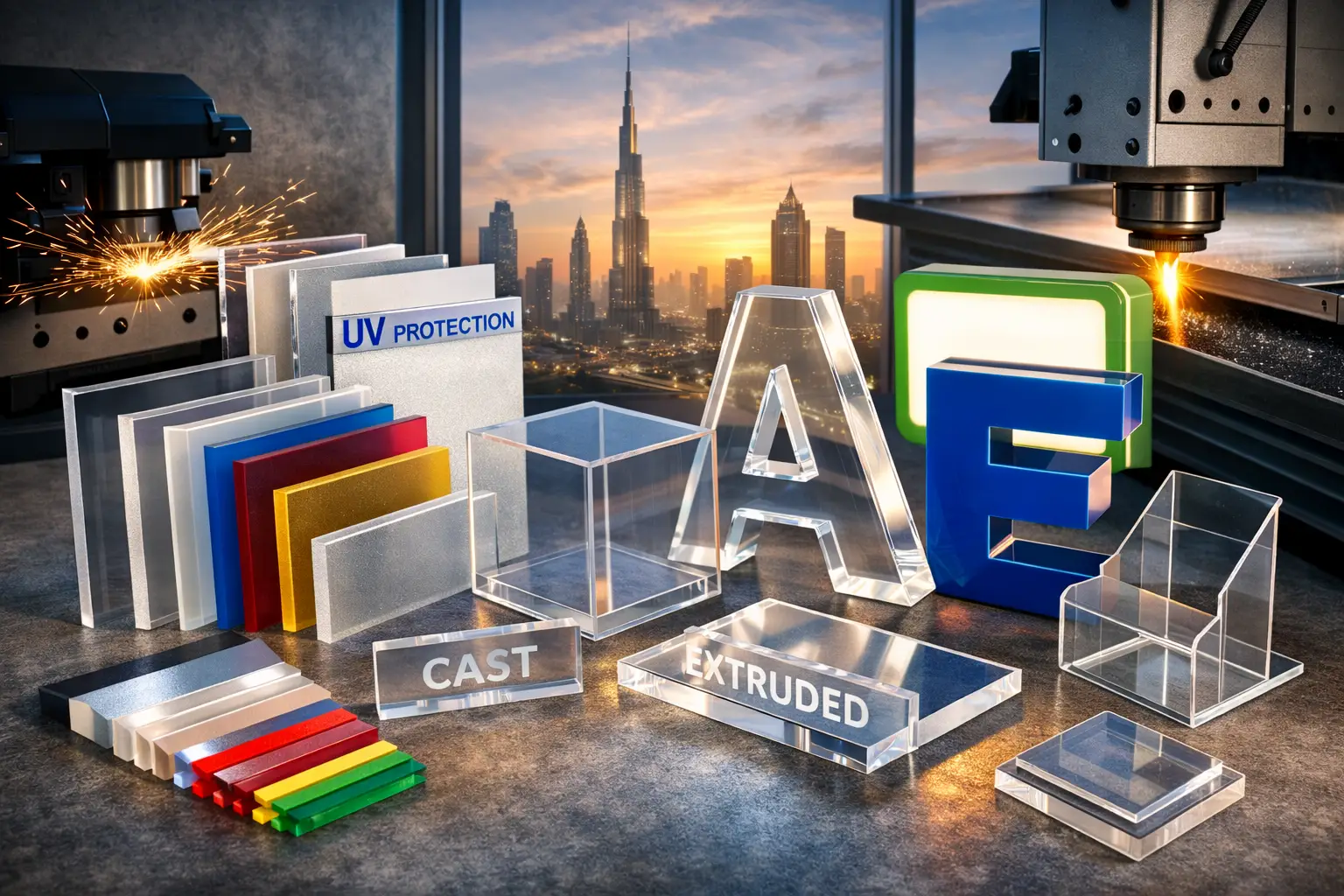
Acrylic carpentry and joinery involve cutting, shaping, bending, assembling, and finishing acrylic sheets to create functional and decorative structures. While acrylic is often viewed as a simple plastic sheet, professional-grade material behaves more like a highly adaptable architectural surface, capable of replacing wood, metal, and even glass in many applications.
Carpentry vs Joinery in Acrylic Fabrication
- Acrylic carpentry focuses on structural foundations: frameworks, large installations, furniture bodies, and architectural components.
- Acrylic joinery covers precision bonding, detailing, assembly, and finishing of acrylic elements to achieve seamless joints, polished edges, and high-end clarity.
The synergy between these two disciplines allows acrylic to serve both aesthetic and practical purposes, making it ideal for custom projects across retail, corporate, hospitality, and residential sectors.
Why Acrylic Has Become Popular in Dubai’s Interior Market
Dubai’s design landscape values innovation, modernity, and premium aesthetics. Acrylic aligns perfectly with this vision. Its clarity resembles glass, yet it is safer, lighter, and more customisable. It also performs well in the UAE’s climate-controlled interiors and high-use commercial environments.
Key Benefits That Drive Its Demand
- High aesthetic appeal: crystal-clear transparency or coloured finishes that elevate interiors.
- Versatility: can be laser cut, CNC routed, bent, engraved, and molded into complex forms.
- Durability: resistant to breakage and moisture when correctly fabricated and installed.
- Design freedom: supports everything from minimalist shelves to sculptural reception counters.
- Cost efficiency: large installations can be fabricated faster with controlled material waste.
For business owners, acrylic provides a sleek, professional appearance—perfect for retail showrooms, luxury boutiques, hospitality venues, and corporate offices across Dubai. Guidance from organisations such as Dubai Municipality also encourages safe, durable interior materials, which high-quality acrylic can support when used correctly.
The Technology Behind Modern Acrylic Carpentry & Joinery
Professional acrylic work relies on advanced machinery that ensures precision, clean cuts, and flawless finishes. When you choose a specialist in acrylic fabrication in Dubai, these techniques play a central role in the outcome.
CNC Routing
CNC routers carve acrylic sheets into intricate patterns and structural shapes with millimetre accuracy. This technique is essential for:
- Furniture frameworks and cabinetry
- Architectural panels and wall features
- Retail fixtures and display components
Laser Cutting & Engraving
Laser cutting delivers sharp, polished edges with minimal finishing. It is commonly used for:
- Decorative panels and screens
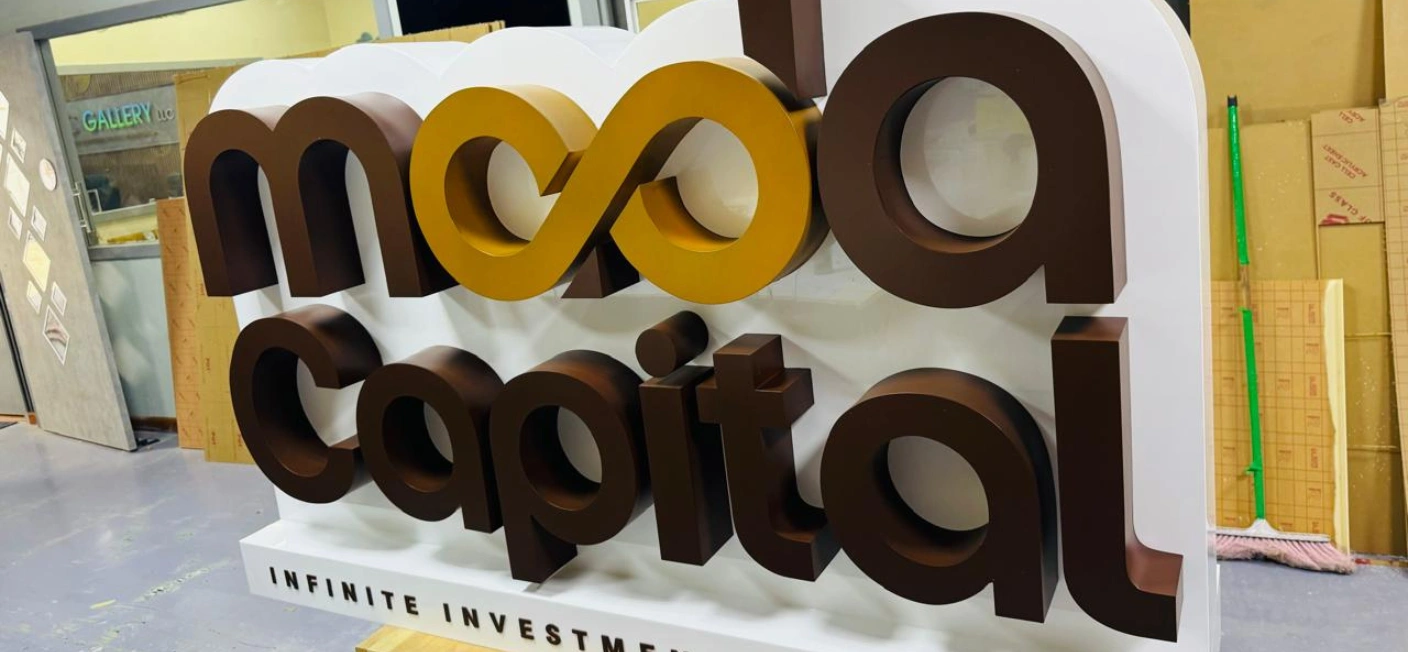
- 3D letters and brand logos
- Engraved signage and patterns
Acrylic Bending
Controlled heating allows acrylic to be bent into curves, angles, and organic forms—something difficult or impossible with many traditional carpentry materials. Acrylic bending is used for reception counters, curved shelving, protective covers, and flowing furniture profiles.
Edge Polishing
To achieve a glass-like finish, fabricators use flame polishing, diamond polishing, or buffing techniques. This is crucial in high-visibility applications such as retail displays and corporate interiors, where edges must look clean and premium.
Solvent Bonding & Joinery Techniques
Unlike traditional wood joinery, acrylic components are bonded using clear chemical agents that fuse surfaces at a molecular level. When executed properly, joints appear seamless and maintain excellent structural integrity.
Where Acrylic Carpentry & Joinery Are Used in Dubai
Acrylic has become a key component in Dubai’s luxury and commercial sectors. It appears in a wide range of applications, from subtle accents to full interior systems.
Retail & Showroom Interiors
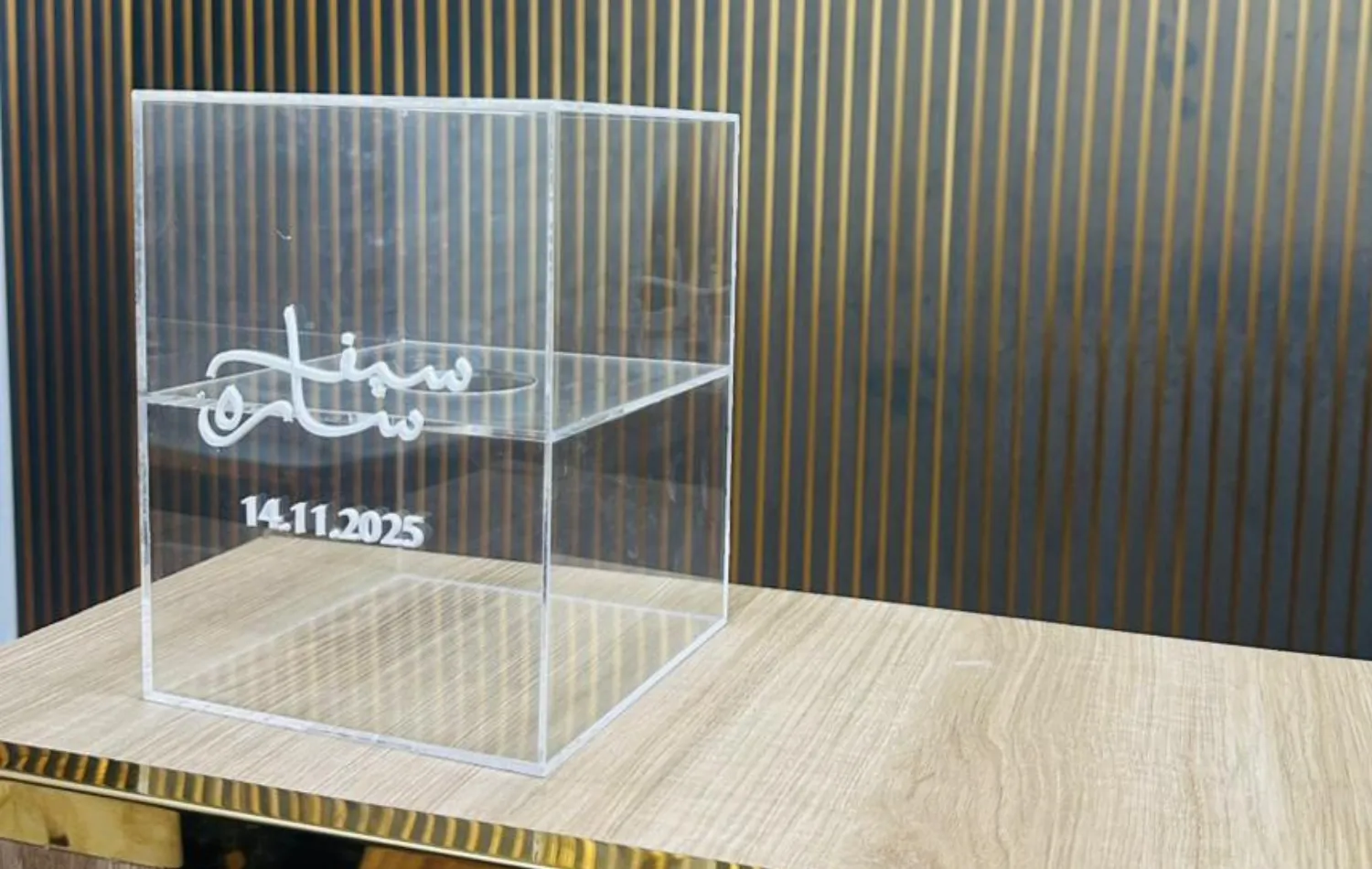
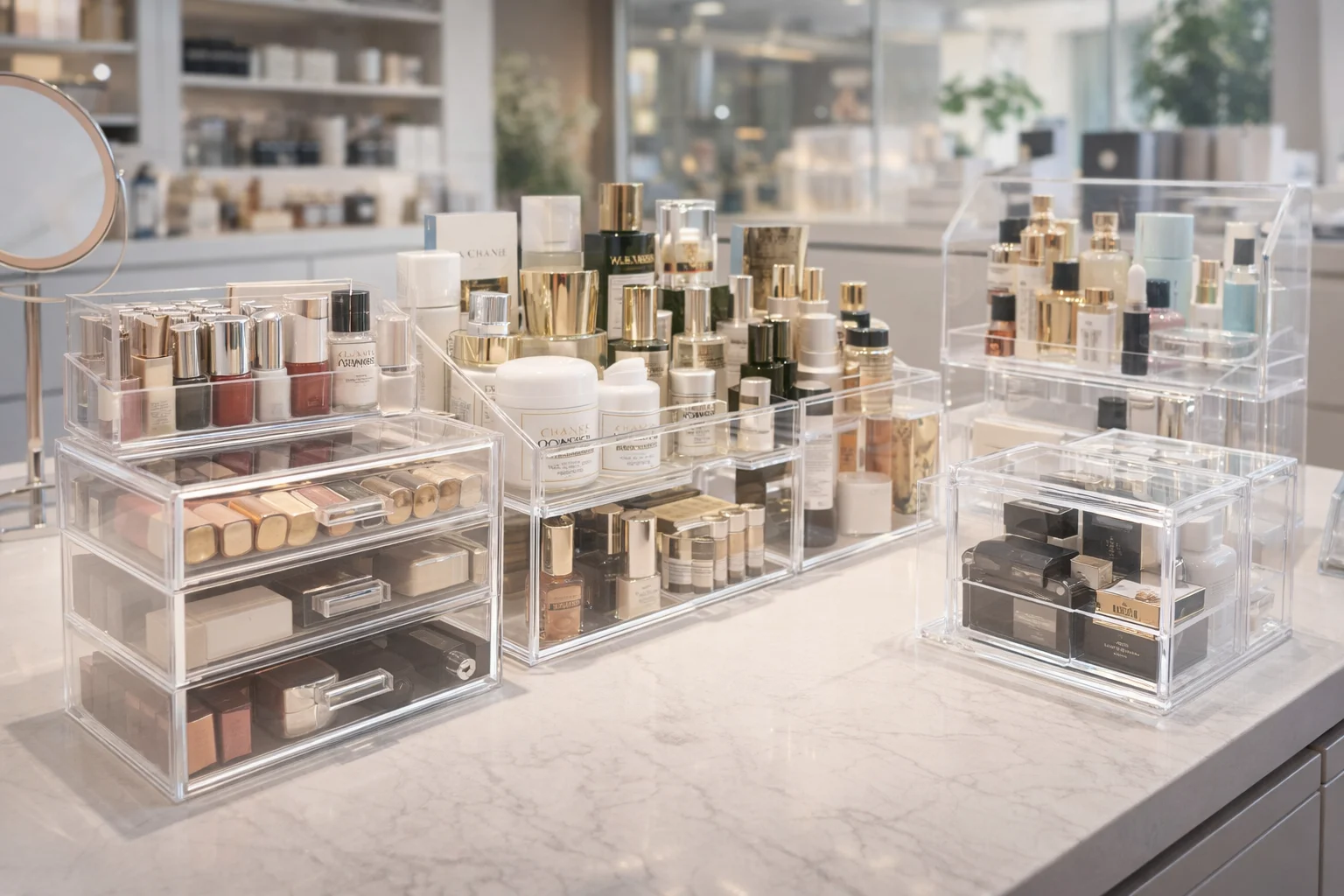
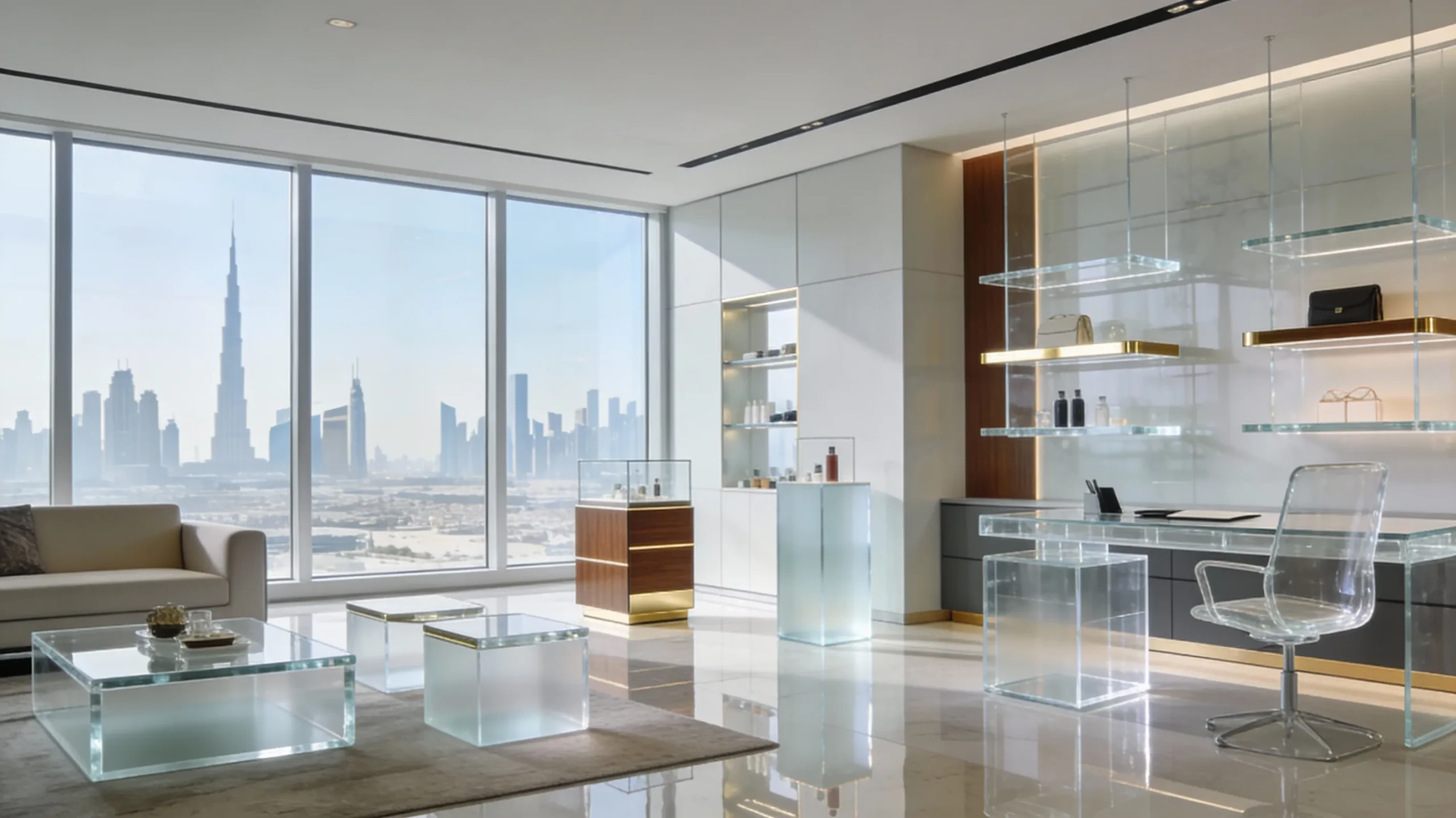
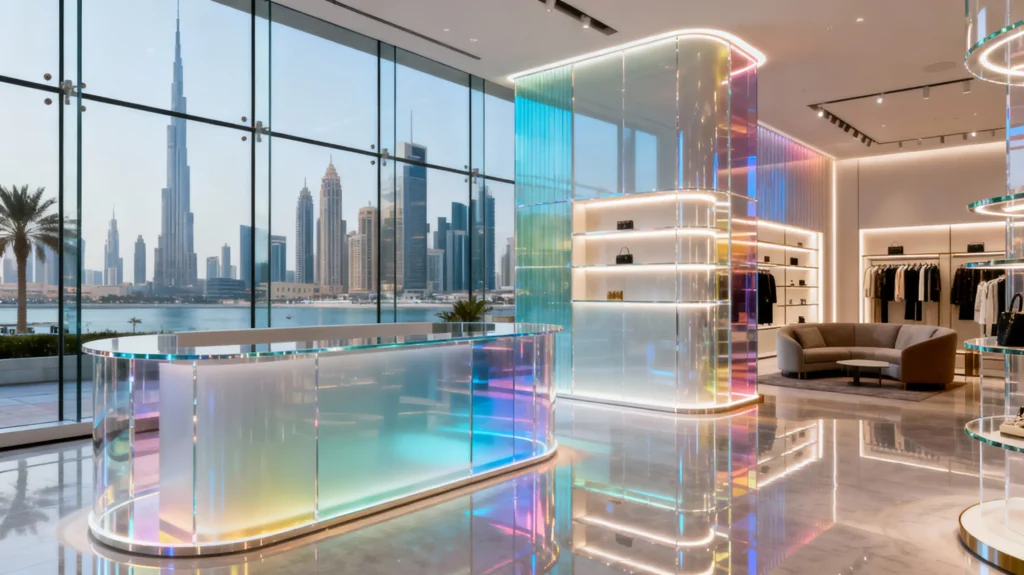
In retail spaces, acrylic carpentry is frequently used for display pedestals, shelving systems, cosmetic stands, and product showcases. Clear and coloured acrylic helps merchandise stand out under professional lighting and works seamlessly with acrylic display stands and branded signage.
Corporate & Office Spaces
In offices, acrylic is used for reception desks, branding walls, partitions, and door signage. It supports modern interior concepts that emphasise openness and light transmission while still providing visual separation.
Hospitality & Restaurants
Hotels, cafés, and restaurants use acrylic for menu display units, buffet stations, bar counters, and decorative lighting features. Acrylic is easy to clean and can be paired with stainless steel or wood for a rich, layered look.
Exhibitions & Events
At events and exhibitions, acrylic is used to build modular display units, information counters, and demo stations. It is also integrated into exhibition stands in Dubai, where weight, appearance, and quick installation are all critical factors.
Residential Interiors
Homeowners are increasingly using acrylic for wall panels, shelving, furniture accents, and storage solutions. Acrylic lends a contemporary, clean feel to apartments and villas, especially when combined with warm wood finishes.
Custom Acrylic Fabrication for Dubai Interiors
Dubai clients—from retail brands to villa owners—often seek unique design solutions that reflect their identity. Custom acrylic carpentry gives them that flexibility.
Complete Design Flexibility
Acrylic can be produced in many thicknesses, colours, finishes, and textures. Whether you need a minimalist floating shelf or a sculptural reception desk, the material adapts to the concept.
Integration with Lighting & Technology
Because acrylic transmits and diffuses light effectively, it works extremely well with LED strips, internal illumination, and backlit logos. Guidance from resources like the Whole Building Design Guide highlights the importance of considering materials and lighting as a unified design system—something acrylic supports very well.
Brand Identity Enhancement
Retailers and corporate brands use acrylic structures to reinforce a premium image. Clear panels, polished edges, and integrated signage help create a cohesive, professional environment that supports visual merchandising and customer experience.
Acrylic vs Traditional Carpentry Materials
While wood, glass, and metal all have their place in interior design, acrylic offers an unusual combination of flexibility, appearance, and performance.
| Material | Durability | Weight | Design Flexibility | Visual Style | Typical Use |
|---|---|---|---|---|---|
| Acrylic | High | Light to Moderate | Excellent (bending, cutting, engraving) | Modern, glass-like, clean | Displays, panels, furniture, partitions |
| Wood / MDF | Medium | Medium to Heavy | Good (cutting, shaping) | Warm, traditional | Cabinetry, hidden structure, panelling |
| Glass | Medium (brittle) | Heavy | Limited | Transparent, reflective | Windows, railings, panels |
| Metal | Very High | Heavy | Moderate | Industrial, technical | Frames, supports, structural elements |
For many interior applications, acrylic strikes the most efficient balance between aesthetics, cost, and practical performance. Technical sources, such as material overviews from Encyclopaedia Britannica on acrylic resins, reinforce its suitability for long-term architectural and design use.
How to Choose the Right Acrylic Carpentry & Joinery Company in Dubai
Selecting the right partner is essential for a successful project. Beyond pricing, quality and reliability must be part of the evaluation.
1. Experience & Portfolio
Review previous work in retail, offices, hospitality, exhibitions, and residential interiors. A diverse portfolio indicates the ability to adapt to different design languages.
2. Machinery & Capabilities
Look for in-house capabilities such as CNC routing, laser cutting, bending, and polishing. A specialist in acrylic fabrication can usually manage complex joinery without outsourcing.
3. Material Quality
High-grade cast acrylic generally provides better clarity, stability, and surface quality than lower-grade options. Your fabrication partner should be transparent about material specifications.
4. Craftsmanship & Finishing
Inspect sample pieces or showroom installations. Clean edges, seamless bonding, and scratch-free surfaces are strong indicators of skilled workmanship.
5. Installation & Aftercare
Professional installation ensures that acrylic structures are well supported and aligned. Aftercare advice, including cleaning guidance and scratch management, can help extend the lifespan of the work.
Key Cost Factors in Acrylic Carpentry & Joinery Work
Unlike off-the-shelf furniture, acrylic carpentry is highly customised. Several elements contribute to final pricing:
- Material type and thickness: thicker or specialty acrylics cost more.
- Design complexity: curves, engravings, and detailed cut-outs increase fabrication time.
- Finishing requirements: extensive polishing or special textures add labour.
- Joinery and hardware: concealed supports, hinges, and fittings affect cost.
- Transportation and installation: especially for large or delicate pieces.
A transparent quotation will typically break these elements down so you can see how each decision influences the final price.
Maintenance Tips for Long-Lasting Acrylic Structures
One of the advantages of acrylic is that it is relatively easy to maintain, provided the right products and techniques are used.
- Use non-abrasive, acrylic-safe cleaning solutions.
- Avoid harsh solvents or ammonia-based cleaners.
- Wipe surfaces with soft microfiber cloths.
- Handle components carefully to prevent deep scratches.
- Use specialised polishes or scratch-removal products when needed.
Routine care significantly extends the lifespan of acrylic fixtures in busy environments such as malls, offices, and restaurants.
Frequently Asked Questions About Acrylic Carpentry & Joinery in Dubai
Is acrylic stronger than MDF for interior applications?
Acrylic offers excellent strength relative to its weight and performs very well in many interior applications, especially where moisture or frequent cleaning is expected. MDF can be stronger in some structural roles but is more vulnerable to swelling and damage from water.
Can acrylic joinery be used in residential homes?
Yes. Acrylic is popular in modern villas and apartments for shelving, wall panels, furniture accents, and decorative pieces. It suits homeowners who prefer clean, contemporary interiors.
Does acrylic scratch easily?
Acrylic can scratch if exposed to abrasive materials, but most light marks can be reduced or removed with appropriate polishing products. Correct cleaning methods go a long way in preventing surface damage.
How long does acrylic fabrication typically take?
Lead times depend on design complexity and project size. Smaller items may be completed within a few days, while comprehensive interior packages can take several weeks from design approval to installation.
Can acrylic be combined with wood or metal in joinery work?
Yes. Acrylic pairs very well with wood and metal. Many interiors use acrylic for surfaces and visible panels, with wood or metal providing structural support or contrast.
What thickness of acrylic is best for furniture and shelving?
Ideal thickness depends on load, span, and design. Your fabricator will recommend appropriate sizes, often starting from 8–10 mm for light shelving and going higher for structural or heavy-duty elements.
Conclusion: Why Acrylic Carpentry & Joinery Are Shaping the Future of Interiors in Dubai
As Dubai continues to push the boundaries of architectural and interior innovation, acrylic stands out as a material that bridges design freedom with everyday practicality. Its adaptability, premium look, and compatibility with modern fabrication technologies make it a powerful alternative or complement to traditional carpentry materials.
From retail displays and kiosks to reception desks and feature walls, well-executed acrylic carpentry and joinery work can transform how spaces look and perform. With the support of experienced fabricators and thoughtful design, acrylic will continue to play a central role in shaping the next generation of interiors across Dubai.